
- To travel to Vaishno Devi, you typically follow these steps:
- Reach Katra Start your journey by reaching Katra, the base camp for the Vaishno Devi pilgrimage. You can travel to Katra by road, rail, or air, depending on your location.
- Begin the Trek From Katra, commence the trek to Vaishno Devi Bhawan. The trek is about 13.5 kilometres long and passes through picturesque landscapes and challenging terrains.
- Pony or Palanquin Services: If you prefer not to trek, you can opt for Pony or Palanquin services available at various points along the route. These services can make the journey more accessible for those who may find the trek challenging.
- Helicopter Services Another option is to take a helicopter ride from Katra to Sanjichhat, which is closer to the Bhawan. This is a quicker and more convenient way to reach Vaishno Devi for those with time constraints or physical limitations.
- Vaishno Devi Bhawan: Upon reaching the Bhawan, offer your prayers and seek the blessings of Mata Vaishno Devi. The shrine is a sacred place of worship where devotees from all over come to pay their respects.
- Return Journey After seeking blessings, begin your journey back to Katra. You can choose to trek back, use pony or palanquin services, or take a helicopter ride, depending on your preference.
- Rest Once back in Katra, take some time to rest and relax after the pilgrimage. You can explore the local markets, enjoy local cuisine, and unwind before heading back home.
About Jammu
City of temples or ancient temples and Hindu shrines Jammu is famous for its historical sites monasteries old temples and beautiful gardens etc. Shiri Mata Vaishno Devi temple is one of the most famous tourist sites in the city vaishno devi attracts millions of pilgrims every year and is revered for its spiritual significance vaishno devi is believed to fulfil the wishes of those who visit with devotion
Where is the Vaishno Devi temple situated and why is it famous?
Sri Mata Temple or Vaishno Devi Temple is a Hindu temple in Katra Jammu and Kashmir.
Vaishno Devi temple famously believed that muhh mangi made puri karne wali mata the deity here fulfils whatever her believers wish.
The real story about Vaishno Devi is true?
It said that Bhairav Nath a famous Hindu Tantrik saved the young Vaishno Devi at an agriculture fair and fell madly in lusty love with her Vaishno Devi filed into Trikuta hills to escape his amorous advance Later she turned into her original form of Durga and cut off his head with her sword in a cave.
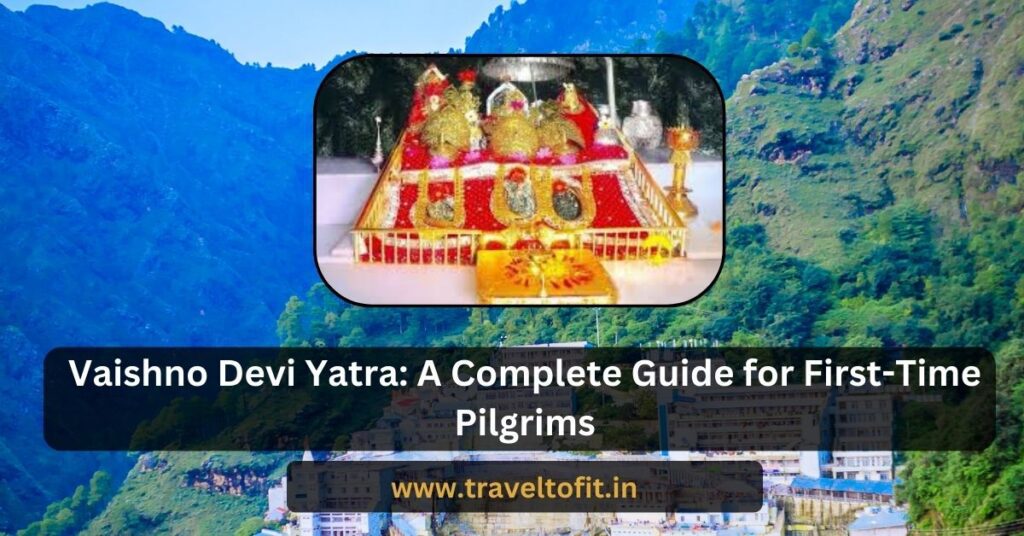
The Vaishno devi shrine holds the three Pindis that show the Mata in her three different forms each representing strength to the weak; sight to the blind; wealth to the poor; and blessing childless etc. worshipped as a combined avatar of the Goddess Mahakali; Mahalakshmi; and Mahasaraswati.
How to reach Vaishno Devi
The pilgrimage to Vaishnodevi begins at Katra; which is around 50 kilometres from Jammu city.
1•ByAir: The nearest airport is about 50 km from Katra. Regular flights operate from Delhi and other major cities
2•BY TRAIN: The nearest major railway station is Katra located about 50 km from the Vaishnodevi shrine. Trains from major cities like Delhi; Mumbai; and Jammu reach Katra you can book tickets through IRCTC or other railway reservation systems
3• By Road: The distance from Delhi to Katra is around 650 km. You can drive or take a bus.
Tickets prices
1) Helicopter tickets from Katra to Sanjichatt price ₹1775 per person and the helicopter ride takes around 8 minutes
2) Train or bus tickets Delhi to Katra general train tickets range from so from sleeper class to ₹2000+ for AC classes depending on the train
3) By bus Buses from Delhi to Katra typically cost between ₹700 and ₹1500 for standard buses
Best places in Vaishno Devi
The 10 places you must visit
- Banganga: Vaishno Devi shot an arrow into the ground to quench the thirst of her companion Hanuman. The river is also known as Bal Ganga, which means “hair” in Hindi because another version of the story says that Vaishno Devi washed her hair in the river.
2 Charan paduka: The Charan Paduka she stood on a rock to look at Bhairav Nath before her escape and this rock supposedly contained her footprints.
- Ardhkuwari: On the way Ardhkuwari is around 7Km where the holy cave is located, Mata Vaishnodevi stayed inside the cave for 9 months and meditated.
- Bhawan: The Bhawan is the main place of worship for devotees and a key location on the pilgrimage route.
- Sanjichatt: Is a delightful little plateau two and a half kilometres short of the Holy Shrine of Vaishno Devi Ji.
- Bhairav Nath Temple: Baba Kaal Bhairav’s darshan and blessings. This tradition stems
from the belief that without seeking the protection and guidance of Kaal Bhairav, the yatra is not fulfilled
- Himkoti: It is not part of the traditional pilgrimage route but has developed into a popular point for tourists, primarily because it offers a magnificent panoramic view of the valley.
- Jhajjar Kotli: The refreshing water of Jujja and the scenic beauty of the area along with tourist bungalows.
- Siar Baba waterfall: It enjoys the status of one of the biggest waterfalls in North India. Located on the Chenab River in Reasi District standing at an elevation of 466 meters, it descends from over 100 feet. spectacular view
- Nau devi temples: The exact origins of the temple are shrouded in legends and mythologies
Best time to visit Vaishno Devi:
here’s the complete guide to choosing the perfect season
1• SPRING SEASON: March to April
The best time to visit Vaishno Devi is the summer season when the temperature ranges between 15°C to 30°C.
2•SUMMER SEASON: May to June
The best time to visit Vaishno Devi is undoubtedly in May, June and July
3•MONSOON: July to September
The weather in Katra during September is particularly appealing to those who enjoy the freshness of the post-monsoon season and the unique charm it brings.
4•AUTUMN: October
These are the peak months for Vaishno Devi darshan because of the festivities. Navratri and Dussehra which celebrates the power and glory of Goddess Durga/Chandi experience maximum footfall of pilgrims. The chant of ‘Jai Mata Di’ fills the air as people surgeon for a glimpse of the Devi.
Why you should avoid travelling to Vaishno Devi during the winter season
Cold weather: Snow and ice heavy rainfall can Create slippery paths, increasing the risks of slips and falls and they making the trek uncomfortable.
Healthy Risk: Respiratory issues: Cold, dry air can irritate your breathing passages, which can be especially uncomfortable for people with respiratory diseases.
Winter weather conditions create the risk of hypothermia, extreme cold exposure, heart attack, stroke, and respiratory diseases.
Travel Delays: Snow, ice, and fog: Airlines often delay flights until snow is cleared and runways are de-iced to ensure safe operations. Snow and ice can also impact the aircraft’s fuel efficiency.
Why Navratri season is best in Vaishno Devi
Celebration of the goddess: The magic of Navratri at Vaishno devi Navratri is dedicated to goddess Durga, and Vaishnodevi is one of her most her most revered from, making it a significant pilgrimage during the festival
Spiritual Activities: During Navratri at Vaishno Devi,
- Darshan Devotees visit the holy shrine of Vaishno Devi to seek the blessings of Mata Rani and experience her divine presence
- Bhajans and Kirtans: Singing devotional songs and hymns in praise of the goddess to express devotion and surrender.
- Aarti Participating in the aarti ceremony where lamps are lit, and prayers are offered to the deity, symbolizing reverence and gratitude.
- Japa: Chanting of sacred mantras or the name of the goddess as a form of meditation and spiritual practice.
- During the Navratri season at Vaishno Devi, the decorations are elaborate and vibrant, creating a truly festive and spiritually uplifting atmosphere. Here are some detailed aspects of the decorations.
- Rangoli Designs: Elaborate and intricate rangoli patterns are created using colourful powders, flowers, and petals at the entrance and around the temple premises.
- Flower Arrangements Luminous flower decorations adorn the temple, with marigolds, roses, and other flowers used to create beautiful displays symbolizing purity and devotion
- Lighting Radiant lighting, including diyas (lamps) and colourful lights, illuminates the temple and its surroundings, adding to the festive ambience.
- Idols and Symbols Spiritual idols of deities, especially of Mata Rani, along with sacred symbols like Swastika and Om, are prominently displayed, invoking divine blessings and protection.
- Colour Theme The colour theme includes vibrant hues such as red for strength, yellow for happiness, green for growth, orange for energy, and white for purity, creating a visually appealing and spiritually significant environment.
Famous Restaurants Around Vaishnodevi
Sagar Ratna: Sagar Ratna is serving the same delicious taste without any onion and garlic in the entire authentic South Indian food cooked fresh many times a day.
Madhuban restaurant: Madhuban is a recommended restaurant by locals due to mainly two reasons: the pricing is higher than average and the menu has more cuisines and exotic dishes which probably no other restaurant in Katra has.
Pooja Vaishno Dhaba: Pooja Vaishno Dhaba is one of the few restaurants in Vaishno Devi that serves Chinese dishes
Apart from Chinese, the restaurant also serves Indian dishes and fast food. … Manoranjan Dhaba in Katra is a foodie’s delight
Free food is available only at Banganga, Langar is there where you can eat food. All other places till Bhavan you have to pay for food.
Note**some precautions we must follow like:
- comfortable clothes
Wear loose, breathable clothes. Layers are good as the temperature can change. Footwear, comfortable trekking shoes with good grip to avoid slips - Stay hydrated
Carry water bottles and hydrate regularly to prevent dehydration - Carry essential medicines
Keep necessary medicines for altitude sickness, headache, or allergy handy etc. - Carry a light backpack
Essential only keep your backpack light by carrying only essentials like water, snacks, medicine, and raincoat - Precautions for the elderly, children and special needs
Use support services for the elderly and people with mobility issues can avail of services like palkis or ponies. The services are available - Travel in groups for safety
Group travel trekking is a group saver, especially when travelling with family or friends in case of any emergencies, help is available quickly. - carry your I’d proof.
Like Adharcard it’s mandatory for obtaining a Yatra registration slip.
Conclusion
Vaishno Devi is a sacred place that holds great significance for devotees seeking blessings and spiritual fulfilment. The journey to Vaishno Devi is not only a physical trek but also a test of faith and devotion for many pilgrims. The serene surroundings, combined with the spiritual atmosphere of the shrine, create a unique experience that leaves a lasting impact on visitors. Overall, a visit to Vaishno Devi offers a blend of physical challenge, spiritual connection, and natural beauty, making it a memorable and enriching pilgrimage for those who embark on this sacred journey.
Pingback: Bhangarh Fort: India’s Most Haunted Place and Its Dark Secrets - Travel to fit